WORLD CLASS TAEKWONDO - Your Premier Martial Arts Academy |Bethany |Cedar Mill | Beaverton |Hillsboro |
US WORLD CLASS TAEKWONDO BETHANY | CEDAR MILL | BEAVERTON | BLACK BELT ACADEMY
  • Who We Are
    • Our Team
    • Community >
      • Blog
      • Community
    • High Performance >
      • Olympic Sparring
      • Competitive Forms
  • BETHANY
    • Super Ninja Summer Camp
    • Ages 3&4
    • Ages 5 to 12
    • Teen & Adult
    • Personal Training
    • Birthday Parties
    • Returning Students
    • Transfer Students
    • Public School Fundraisers
    • Corporate and Group Events
    • After School Program
    • Jacob Wismer Fundraiser
    • Oak Hills Elementary Fundraiser
    • Springville Fundraiser
    • SATO Fundraiser
  • Cedar Mill
    • Ages 3 and 4
    • Ages 5 to 12
    • Teen and Adult
    • Personal Training
    • Birthday Parties
    • Returning Students
    • Transfer Students
    • Public School Fundraisers
    • Jacob Wismer PTO Fundraiser
    • Terra Linda Elementary Fundraiser
  • BEAVERTON
    • Kids 5 to 12
    • Teen and Adult
    • Personal Training
    • Birthday Parties
    • Returning Students
    • Transfer Students
    • Public School Fundraisers
    • Tobias Elementary PTO Fundraiser

7 Taekwondo Kicks Every Beginner Should Master

2/3/2026

 
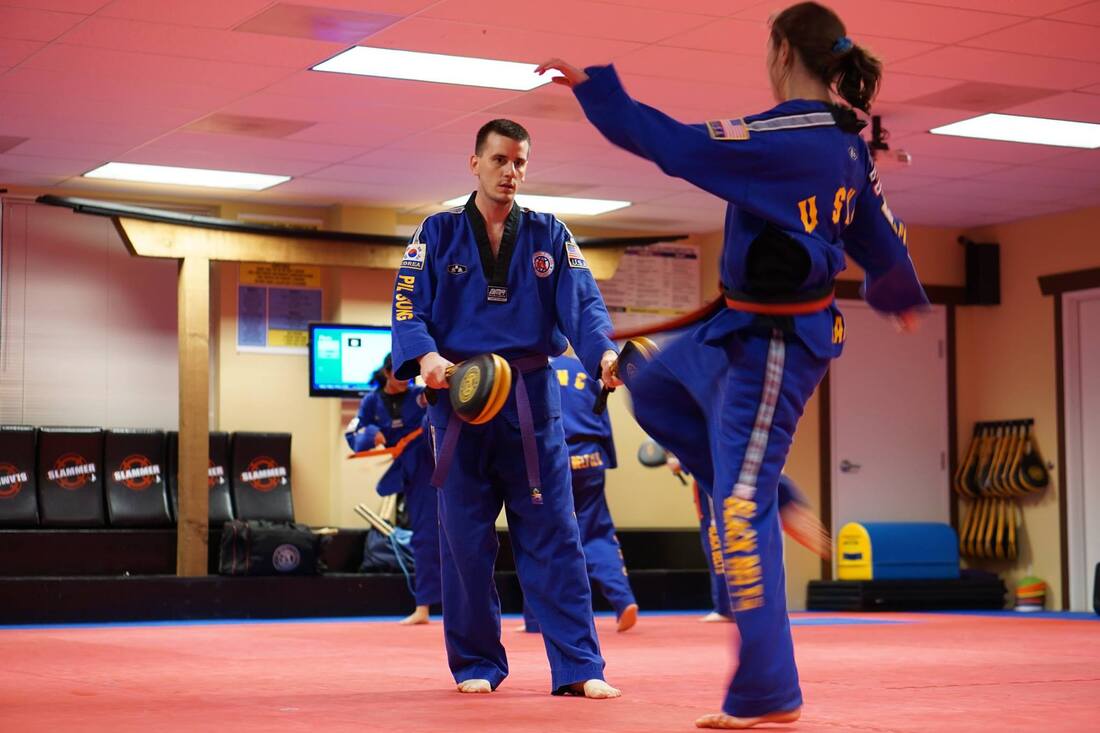
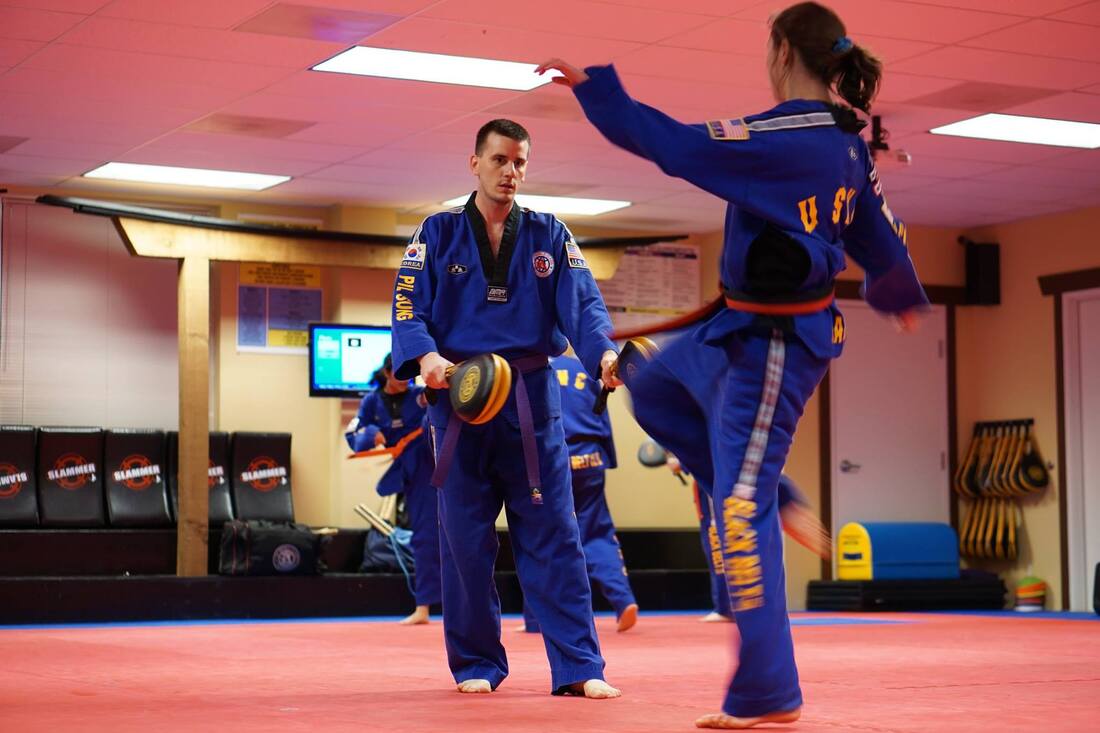
​Starting your Taekwondo journey can be exciting and a bit daunting. As a beginner, mastering basic kicks is essential for building a strong foundation. In this article, we'll explore essential kicks that every novice should learn to enhance their skills and confidence on the mat.
Picture
​1. The Front Kick for Precision
The front kick is one of the first kicks you’ll learn. It’s all about precision and power, making it a great foundational kick. This essential kick not only helps develop your strength but also enhances your coordination skills. Focus on keeping your knee raised and extending your leg in a straight line. As you perfect your form, you’ll notice how an effective front kick can create space and provide distance from an opponent.
Practicing this kick regularly will improve both your striking accuracy and overall performance in Taekwondo. To really grasp it, try to visualize a target; imagine you are aiming for that sweet spot each time you kick. Beginners often struggle with balance during this kick, but don’t worry; with consistent practice, you’ll find your rhythm and stability. Remember, every master was once a beginner!
2. The Roundhouse Kick for Power
The roundhouse kick is a signature move in Taekwondo. With its powerful sweeping motion, this kick can be a game-changer in sparring. To execute it properly, pivot on your supporting foot, swing your kicking leg, and strike with the instep. This kick is not just about power; technique plays a crucial role in your effectiveness. The more you practice, the more fluid your movements will become.
One of the key advantages of a roundhouse kick is its versatility. You can target different levels, whether aiming for the legs, torso, or head. As you become more adept, experiment with different angles and distances. Visualize how your kick can disrupt your opponent’s game plan, creating openings for your subsequent moves. The combination of timing and strategy will elevate your Taekwondo skills immensely.
3. The Side Kick for Stability
Perfect for improving your balance, the side kick requires proper form and control. Begin by positioning your supporting foot firmly and raising your knee. With your leg extended to the side, the kick should come from the hip. Although it may seem straightforward, mastery involves consistent practice and attention to detail. This kick builds not only physical strength but also mental clarity, as you focus on control and technique.
Incorporating drills to enhance your balance will make executing the side kick much easier. Think of it like learning to ride a bike; the more you do it, the more confident you’ll feel. Use a wall or support to help stabilize yourself at first. Over time, try to build up the strength in your core and legs, which will help improve your balance. With practice, the side kick becomes a powerful tool in your arsenal.
4. The Back Kick for Surprise Attacks
The back kick is a fantastic technique for defensive maneuvers. It’s often underutilized but can be quite effective when executed well. This kick is all about timing; the surprising nature of launching a kick behind you can leave opponents unprepared. Begin by positioning yourself correctly; a solid stance will determine your effectiveness. As you kick back, focus on your heel striking the target, rather than the toe.
Practicing this kick involves awareness of your surroundings. Always be mindful of where your opponent is positioned. The back kick can serve not just as an offensive weapon, but also as an essential part of your defensive strategy. When you can quickly transition from defense to attack using the back kick, it creates an unpredictable pattern that can turn the tide in your favor during sparring.
5. The Axe Kick for Vertical Strikes
The axe kick is unique in its vertical motion. Great for striking downwards, this kick can add an interesting edge to your techniques. Start by raising your leg high, creating an arc that emphasizes the downward motion. Aim to use the heel to make contact, ensuring that you harness the weight and strength of your leg for maximum impact. Initially, you may need to practice with a bag or a partner who can provide feedback.
What sets the axe kick apart is its capability to break through an opponent’s guard. Not only does it generate power, but it also confuses the target as they anticipate more horizontal kicks. Mastering this technique will not only enhance your kicking repertoire but also build your confidence when engaging opponents. Focus yours strikes while practicing; allowing you to harness both control and force effectively.
6. The Hook Kick for Unpredictable Moves
The hook kick can catch opponents off guard. This unconventional kick uses a hooking motion to strike, making it essential for diversifying your skills. To execute it properly, start with a high knee, swing your leg in a circular motion, and aim to strike with the heel. Many beginners might struggle at first, but with practice, it becomes a surprising tactic that adds versatility to your sparring.
What makes the hook kick particularly valuable is its ability to confuse your opponent. They may expect a traditional kick, only to be met with this unexpected strike. Be sure to incorporate it into your training regime; practicing on pads and with partners can help improve your timing and accuracy. Once mastered, the hook kick can open a plethora of offensive opportunities.
7. The Crescent Kick for Fluidity
The crescent kick is not only elegant but also effective for targeting your opponent from different angles. This kick is characterized by its sweeping arc, which can strike at both low and high levels. To perform this kick correctly, start by raising your leg in a circular motion while keeping your foot flexed. Your follow-through is just as important as the kick itself—make sure you practice the entire motion fluidly, transitioning through each step naturally.
As you become proficient, you’ll find ways to incorporate the crescent kick into combinations, making it a dynamic addition to your arsenal. This kick not only allows you to catch your opponent off-guard but also improves your core strength and coordination. Remember, slow practice makes for better form—allow yourself time to develop the muscle memory needed for the best execution. 
Come visit us at any of our locations: best Taekwondo school in Cedar Mill, Bethany and Beaverton.
​www.all4tkd.com

8 Essential Skills Kids Develop in Taekwondo Classes

1/3/2026

 
​Taekwondo is more than just a martial art; it’s a pathway to personal growth for children. As they kick, punch, and learn self-defense, kids also pick up essential life skills that benefit them in everyday situations. In this blog, we will explore eight amazing skills that kids develop through taekwondo classes—allowing them to thrive both on and off the mat.
Picture
​1. Developing Discipline Through Structured Training
In taekwondo, students learn to adhere to rules and routines, fostering a sense of discipline that spills over into their daily lives.
This structured training environment encourages kids to focus on their actions and responsibilities. With regular practice, they begin to understand that discipline is not just about following commands but also about making good choices. They learn that hard work and perseverance lead to their personal growth.
Setting goals is another essential aspect of discipline. Throughout their training, children set short and long-term objectives, whether it be mastering a new kick or earning a higher belt. The journey towards achieving these goals teaches patience and commitment, qualities invaluable in any endeavor.
2. Building Confidence With Every Achievement
As children progress through the ranks and earn new belts, their confidence grows, empowering them to face challenges head-on.
Each belt earned is a tangible representation of their effort and skills. This achievement resonates beyond the dojo, influencing their self-perception in school and home life. As they succeed in overcoming new challenges, they realize the power they hold within themselves.
It's not just about the belts; it's about mastering new techniques and sparring partners. Each small win boosts their self-esteem, creating a cycle of achievement that drives them to keep pushing their limits. This newfound confidence can often lead to improved academic performance and better social interactions.
3. Cultivating Respect for Others
>Taekwondo teaches kids to respect their instructors, peers, and themselves, which is crucial for healthy relationships.
Respect in taekwondo goes hand-in-hand with humility. Children learn that while they may be excelling in their classes, there is always room for improvement. This recognition of their own limits encourages them to respect the abilities and efforts of others around them.
Additionally, the etiquette practiced in taekwondo classes—such as bowing to instructors and fellow students—instills a profound understanding that respect is a two-way street. This principle mirrors the values they carry into their daily interactions, making them more understanding and compassionate individuals.
4. Enhancing Focus and Concentration
The practice of memorizing forms and techniques helps children improve their focus and concentration, beneficial for academic success.
In a world filled with distractions, taekwondo serves as a valuable tool for honing attention. Children must stay present during training, completely immersing themselves in the practice. This engagement not only sharpens their mental acuity but also translates to enhanced concentration in the classroom.
Understanding the intricacies of various movements requires a level of focus that many young kids find challenging. However, as they master these techniques, they develop a sense of mental discipline that can help them tackle homework and other routine responsibilities with greater effectiveness.
5. Encouraging Teamwork and Camaraderie
Although taekwondo can be an individual sport, kids learn the value of teamwork through group training and sparring sessions.
During these sessions, children work together towards shared goals. This collaborative spirit fosters friendships and encourages a sense of belonging, essential for social development. They learn to cheer each other on, understanding that everyone has strengths and weaknesses.
Furthermore, sparring teaches children to communicate effectively with their partners, to respect their opponents, and to share constructive feedback. Such interpersonal skills will serve them well not just in sports but in all walks of life as they grow.
6. Increasing Physical Fitness and Coordination
>Taekwondo is a fantastic way for children to enhance their physical fitness, build strength, and improve coordination.
The different kicks, punches, and stances promote agility and balance, key components of overall fitness. As children engage in these fun physical activities, they inadvertently cultivate a healthy lifestyle, leading to better habits.
Moreover, the cardiovascular aspect of taekwondo keeps their hearts healthy. The more active they are, the more energy they have for everyday activities, from playing with friends to excelling in school.
7. Fostering Resilience in the Face of Failure
Through sparring and competitions, children learn to handle setbacks, fostering resilience and the ability to bounce back.
In taekwondo, not every match will go their way. Kids experience both wins and losses, learning that failure is a part of growth. This lesson teaches them to face adversity with grace and determination.
As they rise after every fall—both in sport and in life—they develop an inner strength that prepares them for future challenges, instilling a belief that every setback is an opportunity to improve.
8. Nurturing Self-Defense Skills for Personal Safety
>Kids gain valuable self-defense knowledge, empowering them to feel safer and more secure in their environment.
This new skill set not only provides physical protection but also boosts their confidence. The ability to assert themselves and defend against potential threats can have a significant impact on their sense of personal security.
Furthermore, learning self-defense also incorporates crucial safety awareness strategies. They become more alert and aware of their surroundings, teaching them to prioritize their safety in various situations.


How Taekwondo Patterns Benefit Kids and Adults Alike

12/15/2025

 
Taekwondo isn't just about physical prowess; it's also a journey of mental and emotional growth. One integral part of this martial art is the practice of patterns, known as 'hyung' or 'poomsae.' These patterns are rhythmic sequences of movements that provide numerous benefits for both kids and adults. In this blog, we'll explore how practicing taekwondo patterns can foster discipline, focus, and physical fitness, proving advantageous for all ages.
Picture
​Understanding Taekwondo Patterns
Taekwondo patterns are choreographed sequences that include various stances, strikes, and blocks. They serve as a foundational element in martial arts training, helping practitioners develop technique and form.
Engaging in these patterns is like telling a story through movement. With each transition, practitioners express rhythm and intent, forging a deeper connection with the art. It's not merely memorization; it’s about embodying the principles of taekwondo in physical form. These sequences allow for individual creativity while following traditional guidelines, making each practice both structured and personal.
The unique aspect of taekwondo patterns is their adaptability. While they maintain core techniques, each practitioner can infuse their personality and strength into the execution. This balance of uniformity and individuality fosters an environment where everyone can find their unique rhythm within the art, making it accessible and enjoyable.
Benefits for Kids: Building Confidence and Discipline
For children, practicing taekwondo patterns helps build confidence and instill discipline. The structured practice encourages focus and commitment, leading to improvements not only in martial arts but also in their everyday lives.
Each successful completion of a pattern is a small victory that boosts self-esteem. Kids learn to set goals, work towards them, and celebrate their achievements, no matter how small. This process teaches them that effort and persistence are key components of success, which is an invaluable lesson they can apply throughout their lives.
Moreover, the discipline required to master each pattern translates well beyond the dojo. Children often internalize this commitment, which can manifest as improved behavior in school or better performance in other activities. The ability to push through challenges develops resilience, a vital trait that supports them as they navigate the ups and downs of life.
Benefits for Adults: Stress Relief and Physical Fitness
Adults reap significant benefits from taekwondo patterns as well. These patterns provide an excellent workout, promoting physical fitness while serving as a stress reliever. The mindful practice involved allows for a mental escape from daily pressures.
In our fast-paced world, adults often find themselves juggling multiple responsibilities. This constant balancing act can lead to stress and anxiety. However, the rhythmic nature of taekwondo patterns offers a meditative experience. As one focuses on the movements, there is a natural shift in focus away from external worries, creating a moment of peace and clarity.
Furthermore, regular engagement with taekwondo patterns contributes to overall physical health. Practicing these sequences builds strength, enhances flexibility, and increases stamina. Over time, people often notice improvements in their fitness levels and a greater sense of well-being. It's not just a workout; it's a pathway to a healthier lifestyle.
Enhancing Mental Focus and Coordination
Both kids and adults improve their mental focus through the repetitive nature of patterns. Mastering each sequence demands concentration and coordination, enhancing cognitive skills and physical awareness.
The mental acuity gained from practicing taekwondo patterns can be profound. It requires practitioners to visualize the movements and remember sequences, which sharpens memory and enhances overall cognitive function. Additionally, as one becomes more attuned to their body’s movements, they develop greater coordination, which not only benefits their martial arts practice but also everyday activities.
This heightened awareness fosters a deeper connection between mind and body, rewarding practitioners with a sense of accomplishment. The process challenges individuals to strive for perfection, but it is also about enjoying the journey and celebrating progress, no matter how small. Ultimately, both young and old walk away feeling accomplished after every training session.
The Community Aspect: Taekwondo Patterns and Social Interaction
Practicing patterns in a group setting fosters social interaction and camaraderie. It strengthens bonds among participants, creating a supportive community where both kids and adults can encourage one another.
The social aspect of taekwondo often extends beyond just practicing together. Participants frequently engage in discussions about techniques or share insights, fostering friendships that carry over into their personal lives. The shared experience of learning and improving together cultivates a sense of belonging within the dojo, a place where young people and adults alike can feel accepted and supported.
In this way, taekwondo patterns become more than a series of movements; they act as a bridge, connecting individuals across various backgrounds and ages. This community spirit enriches the taekwondo experience, emphasizing that martial arts is not just an individual journey but a shared adventure. Through support and collaboration, everyone can thrive.
Embracing the Benefits of Patterns in Taekwondo
In perspective, taekwondo patterns offer a well-rounded approach to personal development for both kids and adults. They encourage not only physical fitness and coordination but also mental clarity, self-discipline, and resilience. Whether you're a beginner or an experienced practitioner, incorporating patterns into your training can significantly enhance your martial arts journey and overall well-being.

15 Life Skills You'll Gain by Practicing Taekwondo in Bethany and Cedar Mill

12/8/2025

 
​Taekwondo is more than just a martial art; it's a pathway to developing essential life skills. Through rigorous training and discipline, practitioners uncover a wealth of benefits that extend far beyond the dojo. In this article, we’ll explore the many ways that practicing Taekwondo can empower you in your everyday life. Let’s jump into the fifteen life skills you can expect to cultivate while engaging in Taekwondo near you!
Picture
​1. Boosting Self-Confidence
Practicing Taekwondo fosters self-assurance as you learn new techniques and see tangible progress in your abilities. With each class, you build upon your skills, gaining confidence in your physical capabilities. This incremental growth not only translates into better performance but also instills a sense of pride in your achievements.
Furthermore, receiving feedback and encouragement from instructors and peers serves to reinforce your belief in yourself. Each belt you earn is a testament to your hard work. In this way, Taekwondo teaches you that confidence grows from experience and perseverance.
2. Enhancing Focus and Concentration
The rigorous training in Taekwondo requires ongoing focus, helping you enhance your attention span over time. You quickly learn that executing techniques perfectly demands not just physical prowess but also mental acuity. Kicking, blocking, and sparring each require undivided attention.
This enhanced focus extends beyond the dojo. As you concentrate on your training, you're also developing the ability to concentrate on tasks in everyday life. Whether you're studying for an exam or completing work assignments, the focus honed in Taekwondo can boost your performance.
3. Building Discipline and Commitment
The structured nature of Taekwondo teaches the value of discipline, encouraging you to stick with your goals. Every class is a commitment to yourself, requiring you to prioritize your training and set aside time to practice. Through this commitment, you cultivate self-discipline.
As the weeks turn into months, you begin to appreciate the long-term benefits of this discipline. You learn that great achievements come from consistent efforts rather than quick fixes. This realization nurtures a mindset that values hard work—a skill that will serve you in all areas of your life.
4. Improving Physical Fitness
Taekwondo combines cardiovascular exercise with strength training, leading to overall improvements in physical fitness. Practitioners engage in a variety of drills and movements that not only build muscular strength but also enhance endurance. The quick footwork and powerful strikes translate into a full-body workout.
Moreover, Taekwondo promotes an active lifestyle. As you become more fit, you'll likely find yourself motivated to pursue other physical activities. This holistic approach to fitness fosters well-being, encouraging not just athleticism but also a zest for life.
5. Cultivating Respect for Others
This newfound respect often influences your interpersonal relationships. You start to recognize the importance of varying perspectives and the significance of kindness in interactions, making you a more empathetic and considerate individual.
6. Learning Conflict Resolution
These lessons translate into managing disputes in everyday life. You become more adept at communicating effectively, finding common ground, and navigating disagreements with ease, allowing for smoother relationships both at home and work.
7. Developing Goal-Setting Skills
This process fosters an understanding that setting goals is integral to achieving success, whether in martial arts or your career. You learn to break larger objectives into smaller, manageable steps, making you more effective in planning and executing your life goals.
8. Enhancing Mental Resilience
This resilience becomes a cornerstone of your character and can be particularly beneficial when you encounter setbacks outside of martial arts. Rather than feeling discouraged, you'll approach life's challenges as opportunities for growth, allowing you to navigate difficulties more successfully.
9. Fostering Teamwork and Camaraderie
As you support and learn from one another, you develop strong friendships that enrich your entire Taekwondo experience. This sense of belonging fosters a supportive environment, making it easier to face challenges together.
10. Encouraging Healthy Lifestyle Choices
With a focus on peak performance, many practitioners find themselves choosing healthier foods to fuel their bodies. This shift towards nutritious choices not only supports your martial arts training but also enhances your everyday life.
11. Increasing Flexibility and Balance
This improvement in flexibility not only enhances your performance in Taekwondo but also prevents injuries in daily activities. A more balanced body translates to better coordination, which can have a positive impact on all facets of your life.
12. Nurturing an Attitude of Gratitude
This attitude of gratitude often spills over into your personal life, making you more mindful and appreciative of the efforts of others. You'll start to notice the little things, fostering overall happiness and a sense of connection.
13. Embracing Cultural Appreciation
This exposure can lead to greater empathy toward others and a broader perspective on cultural differences. By embracing this diversity, you cultivate a respect for various backgrounds and traditions, enhancing your global viewpoint.
14. Learning Stress Management Techniques
As you learn to center yourself and maintain composure in physically demanding situations, these skills translate into a calmer response to stressors in your daily life. The balance achieved through practice helps diminish feelings of overwhelm, making challenges more manageable.
15. Developing Leadership Qualities
Leadership in Taekwondo extends beyond instructing; it's about inspiring others and creating a positive training atmosphere. These experiences will shape how you lead in other areas of your life, whether at 

What Are the Best Taekwondo Stretching Techniques for Beginners?

11/28/2025

 
Picture
​Stretching is a vital part of any Taekwondo practice, especially for beginners. It helps improve flexibility, reduces the risk of injury, and enhances performance. In this blog, we’ll cover some of the best stretching techniques that can set you on the right path as you begin your Taekwondo journey.

Understanding the Importance of Stretching in Taekwondo
Before diving into specific techniques, it's crucial to understand why stretching is so important in Taekwondo. Stretching helps increase your range of motion, promotes blood circulation, and prepares your muscles for the dynamic movements involved in the discipline.
Moreover, regular stretching can significantly reduce the risk of injuries. This is especially vital for beginners, who may not yet have developed the muscle strength or control required to execute techniques safely. By prioritizing stretching, you're investing in a solid foundation for your Taekwondo practice.
Another aspect to consider is the mental preparation that stretching offers. As you stretch, you enter a focused mindset that can enhance your overall performance. It’s a moment to tune in with your body and develop body awareness, which is essential when learning new moves.
Basic Static Stretches for Beginners
Static stretches are a great starting point for beginners. They involve stretching a muscle group and holding it for a duration. Some key static stretches include the butterfly stretch for inner thighs and the quadriceps stretch for the front of your thighs.
The hamstring stretch is also crucial. Sit on the ground, extend one leg out, and reach towards your toes to feel a gentle pull along the back of your thigh. Hold this stretch for about 15-30 seconds. Remember, it should not be painful—just a mild tension is sufficient.
Incorporating these static stretches into your routine can enhance your overall flexibility, making it easier to perform high kicks and maintain balance. Always ensure to breathe deeply during each stretch; this helps with relaxation and increases effectiveness.
Don’t forget about the shoulder stretch as well. Stretching your shoulders can improve the execution of your punches and blocks. Reach one arm across your body and gently pull it closer with the other arm. This will help alleviate tension and keep your upper body limber.
Incorporating Dynamic Stretches
Dynamic stretches involve moving parts of your body and gradually increasing reach or speed. Examples include leg swings and arm circles, which help warm up the muscles and prepare them for more intense training.
Leg swings are particularly effective. Stand next to a wall or support and swing one leg forward and backward in a controlled manner. This not only enhances your hip flexibility but also engages the muscles required for kicking.
Arm circles can be a fun addition, too! Extend your arms out to the sides and make small circles, gradually increasing the size. This will wake up muscles essential for striking and blocking.
Don’t forget to include torso twists within your dynamic stretching routine. Stand with feet shoulder-width apart, twist your torso gently from side to side. This movement increases spinal mobility, which is vital for executing various Taekwondo stances and movements.
Focusing on Specific Muscle Groups Used in Taekwondo
It's essential to target specific muscle groups that are used in Taekwondo. Stretches for the hip flexors, hamstrings, and calves will ensure that you're well-prepared for kicks and stances in your practice.
For instance, the pigeon pose is excellent for opening up your hips. This stretch allows you to sink deeply into the muscle, which can enhance your flexibility for high kicks. Pair this with calf stretches, such as standing against a wall and pushing your heel down, to round out your lower body routine.
In addition, don’t overlook the importance of your back muscles. Incorporating stretches such as the cat-cow stretch can greatly improve your posture and stability in Taekwondo movements.
To ensure a comprehensive approach, consider creating a stretching sequence that integrates all these stretches. This practice not only targets the key muscle groups but also builds a habit of thorough warm-up before hitting the mats.
Tips for Effective Stretching
To make the most out of your stretching routine, remember to warm up before you start, breathe deeply during each stretch, and never push yourself to the point of pain. Consistency and proper technique are key to improving flexibility.
Consider setting aside a specific time for stretching before every workout. This will not only build a habit but also ensure that your muscles are adequately prepared for the physical exertion ahead. Using a foam roller can also be a beneficial addition to relieve muscle tension.
Keep a stretching journal to track your progress. Noting how you feel and what stretches work can provide insight and motivation to continue improving your flexibility as you advance in Taekwondo.
Lastly, always listen to your body. If you’re feeling particularly tight or sore, it might be wise to focus more on recovery stretches versus trying to push through intense stretching. Adaptability will lead to a more effective and enjoyable training experience.
Final Thoughts on Taekwondo Stretching for Beginners
Incorporating these stretching techniques into your regular training routine will not only improve your flexibility but also boost your confidence in executing Taekwondo moves. Remember, consistency is key, so make these stretches a part of your daily practice!
<<Previous

    Author

    USWC Team

    Archives

    February 2026
    January 2026
    December 2025
    November 2025
    October 2025
    September 2025
    August 2025
    July 2025
    June 2025
    May 2025
    April 2025
    March 2025
    February 2025
    January 2025
    December 2024
    November 2024
    October 2024
    September 2024
    August 2024
    July 2024
    June 2024
    April 2024
    September 2023
    March 2023
    February 2023
    December 2022
    April 2022
    March 2022
    January 2022
    March 2021
    February 2021
    November 2019
    June 2019
    January 2019
    August 2017
    June 2017
    February 2016
    November 2015
    May 2015
    April 2015
    March 2015
    February 2015
    January 2015

    Categories

    All
    Bethany Village
    Black Belt
    Community
    Karate
    Martial Arts For Kids
    News
    Taekwondo Classes

    RSS Feed

Bethany is an unincorporated community and census-designated place in Washington County, Oregon, United States. It is situated north of U.S. Route 26 near Beaverton, about four miles northwest of Cedar Mill, and is within the Portland Metropolitan Area. As of 2010 Census, the community had 20,646 residents. Fire protection and EMS services are provided through Tualatin Valley Fire and Rescue.
Looking for the best martial arts academy in the Portland metropolitan area? Look no further than U.S. World Class Taekwondo - in Bethany Village Centre, Portland Oregon. Our state-of-the-art 9,000 square foot facility is located in the Bethany Shopping Center and serves the surrounding communities of Hillsboro, Rock Creek, Beaverton, Forest Heights, and Cedar Mill.
Our academy is home to the best instructors in the business, offering a range of classes for kids and adults, including high performance Olympic taekwondo, recreational martial arts, adult self defense, and fitness programs. We are nationally and internationally accredited and recognized for our excellence in martial arts instruction. Our focus is on building character and helping students reach their goals through our engaging and dynamic classes.
If you're in the Bethany area, come visit us at the Bethany Shopping Center. We look forward to welcoming you to the U.S. World Class Taekwondo - Bethany family!

    Let's get Started

Submit

Check out Bethany US World Class Taekwondo Academy of Martial Arts on Yelp
15285 NW CENTRAL DR STE 100 PORTLAND OREGON 97229  | Info: +1 503 531 9096 
Copyright US WORLD CLASS TAEKWONDO BETHANY ACADEMY OF MARTIAL ARTS 2015